How Education Censorship Fuels School Privatization
Education censorship fuels school privatization by starving public schools, silencing teachers, revising history, erasing immigrant voices, and ignoring supportive parents, creating frustration that funnels families toward private alternatives.
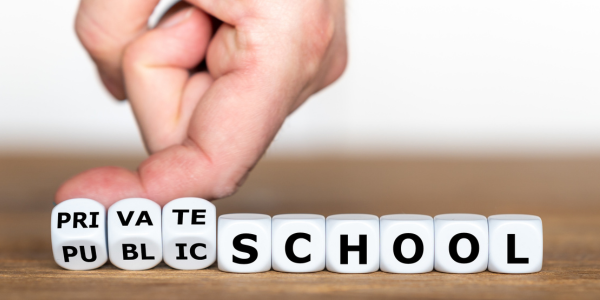
Across the United States, the escalating wave of educational censorship—book bans, restrictions on curriculum, and ideological litmus tests for teachers—isn’t happening in a vacuum. These efforts are not simply about shielding children from “concerning” content. They are part of a broader, well-funded strategy to undermine public education and accelerate the expansion of privatized alternatives like charter schools and voucher programs.
At the center of this narrative is a carefully crafted myth: that parents are fleeing public schools in droves because of inappropriate content in libraries or classrooms. Policymakers and political operatives trumpet the need to “win back parents” who claim schools no longer reflect their values. Yet what’s missing from this story is just as telling as what’s included.
The majority of parents, those who continue to support their local public schools, are being ignored. Worse, they are being systematically frustrated by new layers of censorship, reduced funding, an educator shortage, religion inserted into classrooms, revisionist history in curriculum, and restrictive library policies. These tactics are designed to make public schools less functional and less appealing, creating fertile ground for privatization to flourish.
The Myth of the “Lost Parent”
The narrative pushed by many advocates of school privatization is that parents are leaving public schools because of “harmful” materials, books that acknowledge race and racism, curriculum that affirms LGBTQ+ students, or lessons that explore America’s complex history. The solution, they argue, is to purge schools of “divisive” content in order to lure these parents back.
But national surveys consistently show that most parents support public schools and want more investment in them, not less. When asked, families value schools that provide honest history, inclusive curricula, and professional educators who use their expertise to make classroom decisions. The reality is that the loudest voices pushing book bans and curriculum restrictions represent a small, vocal minority that includes many who don’t currently have or never plan to have their children in our public schools.
Yet this minority has been elevated to center stage. By framing the debate around appeasing those who distrust public education, policymakers erase the voices of the majority, parents who trust teachers, value diversity, and want their children to have access to a full range of educational opportunities.
Starving Public Schools to Feed Privatization
Funding is at the heart of the privatization playbook. Public schools are already under immense financial strain, particularly in rural and low-income communities. Instead of addressing these inequities, lawmakers are redirecting funds toward private and religious schools under the banner of “choice.”
Censorship plays a key role here. When legislators threaten to cut funding for districts that allow certain books or require compliance with vague “age-appropriate” standards, they create a chilling effect. Educators, fearful of losing critical resources, err on the side of restriction. Programs are canceled, libraries are gutted, and innovative teaching is stifled.
The result is a self-fulfilling prophecy: as schools lose funding and flexibility, their quality diminishes. Parents who once supported their public schools grow frustrated with shrinking opportunities for their children and are pushed toward private alternatives marketed as havens of freedom and excellence.
Educator Shortages and Professional Silencing
Censorship isn’t just about books; it’s also about controlling the professionals tasked with teaching. Laws that prohibit teachers from discussing systemic racism, gender identity, or even basic historical facts send a chilling message: keep quiet or risk your job.
This atmosphere of surveillance and distrust contributes to the national educator shortage. Talented teachers leave the profession, deterred by constant scrutiny and political interference. Younger generations of would-be educators are discouraged from entering a field where professional judgment is second-guessed and their very words could trigger a complaint.
Meanwhile, advocates for privatization use these shortages as evidence that public schools are “failing,” further justifying the shift toward charter schools and voucher programs. The cycle is intentional: silence teachers, undermine confidence, then redirect families elsewhere.
Religion in the Classroom and Revisionist History
Another tool in this strategy is the insertion of religious doctrine and revisionist history into public school curricula. Under the guise of “values education” or “patriotic instruction,” state leaders are pushing materials that downplay slavery, erase LGBTQ+ people, or frame America’s history exclusively through a Christian nationalist lens.
This undermines the constitutional principle of church-state separation and distorts students’ understanding of the world. It also alienates families who want their children educated in fact, not ideology.
For privatizers, this alienation is the point. Families frustrated by sanitized history and religious dogma are nudged toward private schools marketed as “inclusive,” “progressive,” or aligning with “liberal arts.” In this way, censorship doesn’t just appeal to conservative parents, it actively drives away moderate and progressive ones, hollowing out public education from both ends.
Libraries Under Siege
School libraries, once safe havens for exploration, are now battlegrounds. Laws and policies require librarians to justify every book on their shelves under threat of discipline or even criminal charges. Books by and about LGBTQ+ people, by marginalized authors, and about immigrant experiences are disproportionately targeted.
As libraries shrink under these pressures, students lose access to literature that reflects their identities and broadens their perspectives. Parents who value inclusive collections see their children’s educational opportunities eroded. Their frustration, too, is folded back into the privatization narrative: if public schools can’t provide the books your child needs, maybe a private school can.
The Silent Strain on Undocumented Students
Another often-overlooked consequence of education censorship and privatization efforts is the impact on undocumented students. While public schools are legally required under Plyler v. Doe (1982) to educate all children regardless of immigration status, today’s climate of hostility and surveillance creates conditions where many undocumented families feel unsafe sending their children to school at all. In fact, in Orange County, Florida, enrollment dropped by almost 7,000 students in the 25-26 school year. (See Orlando Sentinel.) This reduction was largely driven by undocumented families concerned about deportation.
For those who do brave the school system, policies that insert religion into classrooms, suppress honest history, and erase immigrant voices from curricula send a clear signal: you don’t belong here. For undocumented students, that message is compounded by fear that any misstep, even checking out a book about immigration or asking a question in class, could draw unwanted scrutiny.
When legislators tie funding to compliance with censorship laws, districts often respond by implementing more restrictive identification, reporting, and monitoring procedures. Though not aimed directly at immigration, these practices contribute to an atmosphere of suspicion and bureaucracy that makes undocumented families wary of enrollment. Some withdraw their children entirely, fearing exposure, while others stop participating in school programs—after-school clubs, library events, even parent-teacher meetings—that could enrich their children’s education.
The result is devastating: students already navigating systemic barriers are denied even more opportunities. They lose access to inclusive curricula, diverse literature, and safe spaces like school libraries. And because privatization schemes often direct public funds into private or religious schools that can legally exclude undocumented students, the push away from public education effectively slams the door shut on them altogether.
In this way, censorship-driven privatization doesn’t just harm education in general; it actively undermines the promise of public schools as gateways to opportunity for all children, regardless of background or status. Protecting the freedom to read and the integrity of public education is, therefore, also a fight for immigrant justice and the right of every student to learn without fear.
Ignoring the Majority
The greatest irony is that the majority of parents, those who believe in their public schools, are not only ignored but actively undermined. By prioritizing the demands of a small group intent on censorship, policymakers deny the majority’s children access to robust, inclusive, and well-funded education.
This isn’t accidental. The neglect is strategic. By creating frustration among supportive families, privatizers weaken the coalition of parents who might otherwise fight hardest to preserve public education.
Connecting the Dots: Censorship as a Privatization Strategy
When viewed in isolation, each element—book bans, funding threats, teacher silencing, religious intrusion, revisionist history—can seem like a culture war skirmish. But taken together, they form a clear pattern:
-
Create moral panic about “harmful” content.
-
Pass censorship laws that force schools to restrict materials and curricula.
-
Threaten funding for non-compliance, starving public schools further.
-
Drive out teachers and frustrate supportive parents with narrowed opportunities.
-
Market private schools as the solution, diverting tax dollars away from public education.
This is not about protecting children. It is about reshaping the educational landscape to prioritize privatization over public good.
Building Resistance and Hope
The Freedom to Read Project believes in the transformative power of public education. We know that strong, inclusive schools are the backbone of democracy. To resist this wave of censorship-driven privatization, we must:
-
Amplify the voices of the majority: Parents who support public schools need platforms to share their stories and values.
-
Demand transparency: Call out how censorship laws redirect funds and limit opportunities for students.
-
Support educators and librarians: Advocate for fair policies, professional protections, and adequate funding.
-
Organize coalitions: Parents, students, teachers, unions, civic groups, and authors must stand together against coordinated censorship campaigns.
-
Expose the privatization agenda: Help communities connect the dots between book bans and the broader effort to dismantle public education.
The Fight Ahead
The push for censorship is not a sideshow to the privatization of education; it is a core strategy. By making public schools inhospitable to honest education, diverse perspectives, and professional expertise, lawmakers create the very dissatisfaction they then exploit to argue for vouchers and charters.
But here is the hopeful truth: the majority of families still believe in their public schools. They want better funding, more teachers, and inclusive opportunities. They want their children to read widely, think critically, and understand the world in all its complexity.
If we stand with these families, amplify their voices, and refuse to accept censorship as inevitable, we can disrupt the privatization playbook. Public schools remain worth fighting for, not only because they serve our children, but because they embody the democratic promise of equal opportunity.
The freedom to read is inseparable from the freedom to learn. And both must remain at the heart of public education.