Keeping Up and Checking In
Read the latest news, tips, and get access to the information you need to advocate effectively for the freedom to read.
Who Is Working to Privatize Our Public Schools and Libraries?

Understanding the organizations, financial interests, and political networks reshaping America's public institutions
Public schools and libraries have something fundamental in common: They were created to serve everyone. A public school must provide an education to the children in its community. A public library makes books, information, technology, and other resources available regardless of a person's income or background. Both institutions are built on the idea that access to knowledge is a public good, not a privilege reserved for those who can afford it.
They Told Us What Censorship Looks Like. We Should Listen.

There is a reason dystopian novels so often begin with control over information. Burn the books. Rewrite the history. Narrow the vocabulary. Decide which stories are dangerous. Convince people that restricting information will protect them. And eventually, teach people to censor themselves.
Who Pays the Price When the State Takes Book Decisions Away from Local Communities?
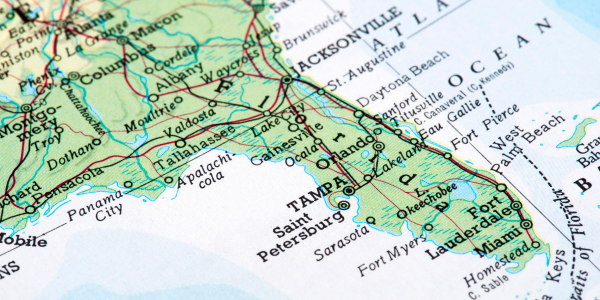
Last week, Florida Commissioner of Education Henry Mack sent a seven-page memorandum to every school district superintendent and charter school leader in the state. The memo calls on districts to proactively audit their school library and classroom collections, cross-reference their holdings against books removed elsewhere in Florida, and review books before a parent or resident ever files an objection.
Reading Is Good for Our Brains. So Why Are We Making Books Harder to Access?

For years, those who defend the freedom to read have argued that access to books matters. Books help children develop literacy skills. They expose readers to new ideas and experiences. They build knowledge, spark curiosity, and provide opportunities to see the world through someone else’s eyes.
What Can I Do Now to Protect Our Schools and Libraries From Threats to the Freedom to Read?

For the past five years, we have watched threats to the freedom to read evolve.
What began in many communities as challenges to individual books has expanded into legislation, restrictive library policies, mass challenges, funding threats, pressure on librarians and educators, and legal arguments that could fundamentally change how the First Amendment applies in our public libraries. Increasingly, decisions about what people can read are being made not only at library and school board meetings, but also in capitols and courtrooms.
The Librarians Won an Emmy. The Fight It Documents Is Far From Over.
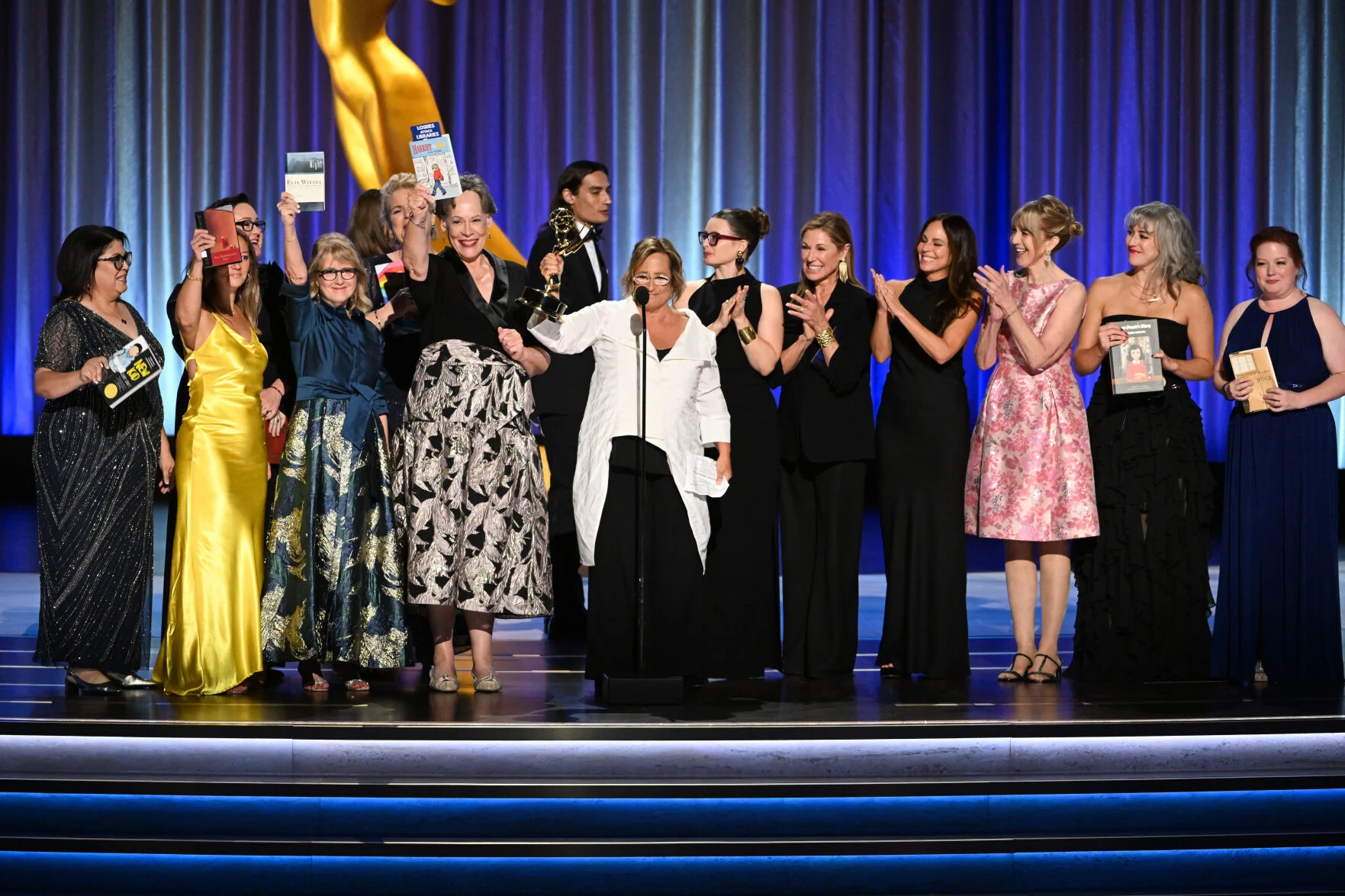 This weekend, The Librarians won the Emmy for Exceptional Merit in Documentary Filmmaking, a well-deserved recognition for a film that has helped bring the reality of modern book censorship to audiences across the country.
When “Government Speech” Does Not Mean Your Local Government

We have written before about a legal argument gaining traction in book-ban litigation: the claim that decisions about which books appear in public school libraries constitute “government speech.” Under that theory, when a government chooses which books to include or remove, it is expressing its own message and therefore has broad authority to determine what that message will be. The government would not be required to account for the First Amendment rights of citizens in making those decisions, and, in principle, it could go so far as to dismantle the free marketplace of ideas within the collection altogether.
Texas Is Threatening Schools Over Books. Florida Has Seen This Playbook Before.

Last week, Texas Lt. Gov. Dan Patrick stood at a press conference and issued a warning to public schools: remove books he considers inappropriate or risk consequences. Patrick said he plans to pursue legislation in the next legislative session that would lower a school district’s A-F accountability rating by one letter grade if it fails to remove books deemed prohibited. “We’re coming for the books,” he told school districts. (Texas Tribune)
The Law Passed. Now What? Why the Rulemaking Stage Matters Just as Much
When a bill is signed into law, it is tempting to think the work is finished. Supporters celebrate, opponents regroup, and headlines move on to the next legislative fight. But for parents, educators, librarians, and community members concerned about the freedom to read, the passage of a law is often only the beginning.
Arkansas's New Library Law: Lessons We've Learned in Florida

For many people following the recent federal appeals court decision allowing Arkansas to enforce portions of Act 372, the headlines have been alarming. Stories have focused on the possibility that librarians could face criminal penalties for distributing materials deemed "harmful to minors." Librarians across Arkansas are understandably trying to determine what the ruling means for their collections, policies, and daily work.