Keeping Up and Checking In
Read the latest news, tips, and get access to the information you need to advocate effectively for the freedom to read.
Why Teens Deserve Access to Books That Address Tough Topics

As a K-12 parent, nothing feels more natural than wanting to protect your child, to keep them safe from harm, distress, or things that feel too big for them to handle. But one area where that instinct often collides with reality is in how we think about the books available to our teenagers. Stories about sex, drugs, abuse, depression, grief, identity… these are exactly the kinds of subjects many parents hesitate to embrace. And yet, they are also the very topics that young people most desperately need to encounter in context, within the safe space of literature guided by thoughtful adults.
What the Library Is For and Why “Just Buy the Book” Gets It Exactly Backwards

Libraries exist for a simple but profound reason: to ensure that everyone, regardless of income, background, belief, or zip code, has access to information, ideas, and stories. They are one of the few public institutions explicitly designed to expand opportunity. Their role in a healthy democracy is foundational, not optional. In fact, Benjamin Franklin once said, “These libraries have improved the general conversation of the Americans” and have “made the common tradesmen and farmers as intelligent as most gentlemen from other countries.”
“These Books Are a Proxy for Human Beings”: Inside Alabama’s Grassroots Fight Against Book Bans
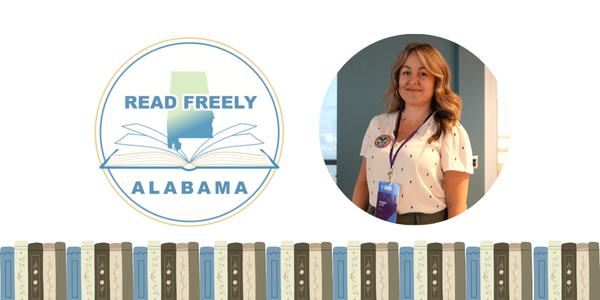
Prattville, Alabama, also known as “The Fountain City,” is not only a charming town with an abundance of artisanal wells, it’s also ground zero for book banning efforts across the state. And it’s home to Angie Hayden, a freedom-to-read advocate from the nonprofit Read Freely Alabama.
How to Make a Zine with Your Child About the Book You Just Read Together
Reading a book with your child is more than finishing pages, it’s a shared experience, a chance to explore ideas together, and a moment to connect. One powerful way to extend that experience is by making a zine: a small, handmade book that captures everything you loved, noticed, and wondered about in the story you just finished.
A Pep Talk for the Year Ahead
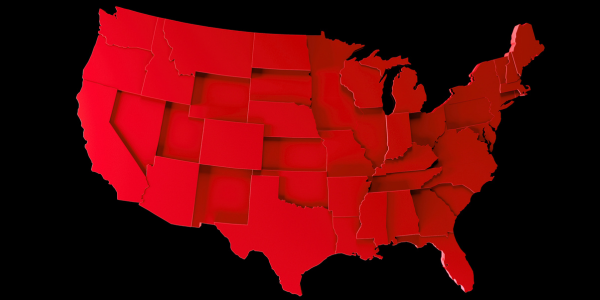
If you are doing freedom-to-read work in a state where censorship laws are already on the books or poised to pass you are not imagining how hard this feels.
Are We to Accept that the Freedom to Read Is a States’ Rights Issue?

What the Supreme Court’s Llano Decision Means for Our Democracy
On December 8, 2025, the U.S. Supreme Court quietly but profoundly reshaped the landscape of Americans’ First Amendment protections. By declining to hear Little v. Llano County, the Court allowed the Fifth Circuit’s deeply controversial ruling to stand, creating an unprecedented situation: millions of Americans now have fewer First Amendment protections than the rest of the country.
Why the Freedom to Read Is Essential for a Healthy Democracy

How Access to Diverse Viewpoints Strengthens Critical Thinking, Civic Engagement, and Resistance to Authoritarianism
A healthy democracy depends on the free flow of information, the open exchange of ideas, and citizens capable of thinking critically about the world around them. These are not abstract principles: they are lived, daily practices that begin early, often with a simple act… reading.
The Phantom Book Challenge: How Fear a Book Could Be Challenged Bans It Before It Even Reaches the Shelf

Soft Censorship, Manufactured Controversy, and the Perfect Storm Undermining Students’ Right to Read
Across the country, a new form of censorship is tightening its grip on public education, one far more difficult to document, track, or challenge. It doesn’t involve a parent storming into a school board meeting, a viral complaint, or a formal review process. Instead, it happens quietly, invisibly, and often with no paper trail at all.
What Students Lose When They Can’t Choose Their Own Books
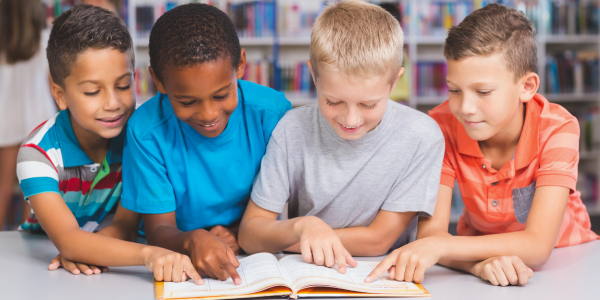
Why Self-Selection, Intellectual Autonomy, and Identity Development Matter More Than Ever
Across the country, book bans and “approved lists” are becoming a new normal in schools. Classrooms are being stripped of diverse texts, library shelves are thinned out, and students are asked to choose from sanitized, restricted, or ideologically filtered options. What many adults don’t realize is that when students lose the ability to choose what they read, they lose far more than access to a single book. They lose academic opportunities, emotional development, and the foundations of lifelong learning.
The Phoenix Declaration: What It Is and What Floridians Can Expect Now That the State Has Become the First to Adopt It

When states shift educational policy, it usually comes with committee hearings, public comment, and long policy documents that parents, teachers, and community members can comb through. But every so often, a new framework enters the scene with minimal notice, cleanly packaged, seemingly harmless, and deliberately vague. That is the case with the Phoenix Declaration, a new education framework authored by the Heritage Foundation, which Florida has now become the first state in the nation to adopt.