Keeping Up and Checking In
Read the latest news, tips, and get access to the information you need to advocate effectively for the freedom to read.
The Freedom to Read Is on the Ballot: Understanding Federal Library Bills and Why Your Voice Matters
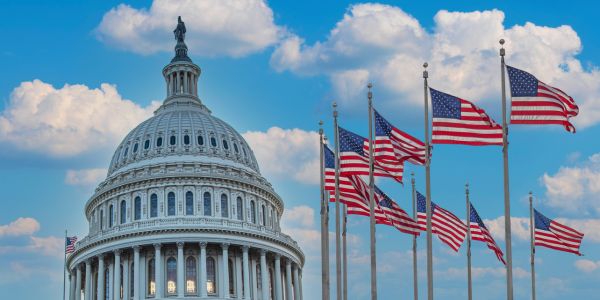
Across the country, conversations about books, libraries, and student access to information are often framed as local issues. School boards vote. Communities debate. Parents engage. But increasingly, the future of what students can read and learn is being shaped at the federal level.
School Libraries Matter: Why We Should Care and How to Take Action

Every April, School Library Month offers a moment to celebrate something that is both deeply familiar and increasingly under threat: the school library. For many of us, it was the place where we first chose a book for ourselves, discovered new ideas, or felt seen in a story. For today’s students, school libraries remain just as vital, even as the landscape around them grows more complex.
Raising Readers and Thinkers: Parenting Through Boundaries, Trust, and Conversation

Parenting has never been simple, but today’s landscape presents a unique kind of challenge. Information moves faster than ever. Devices travel everywhere with our children. Social dynamics extend beyond school hallways into group chats, gaming platforms, and social media feeds that never turn off. For many parents, the question is no longer whether children will encounter difficult ideas, but when and how.
“People Hate Book Banning. They Just Don’t Know What to Do”: Inside Utah’s Growing Fight for the Freedom to Read
The first gathering did not begin with a formal plan or a polished strategy. It began in the halls of the Utah State Capitol, where a small group of people found themselves asking the same question at the same time.
What is happening to our books, and who is going to do something about it?
Women Who Opened the Doors: Voices That Transformed Access to Education
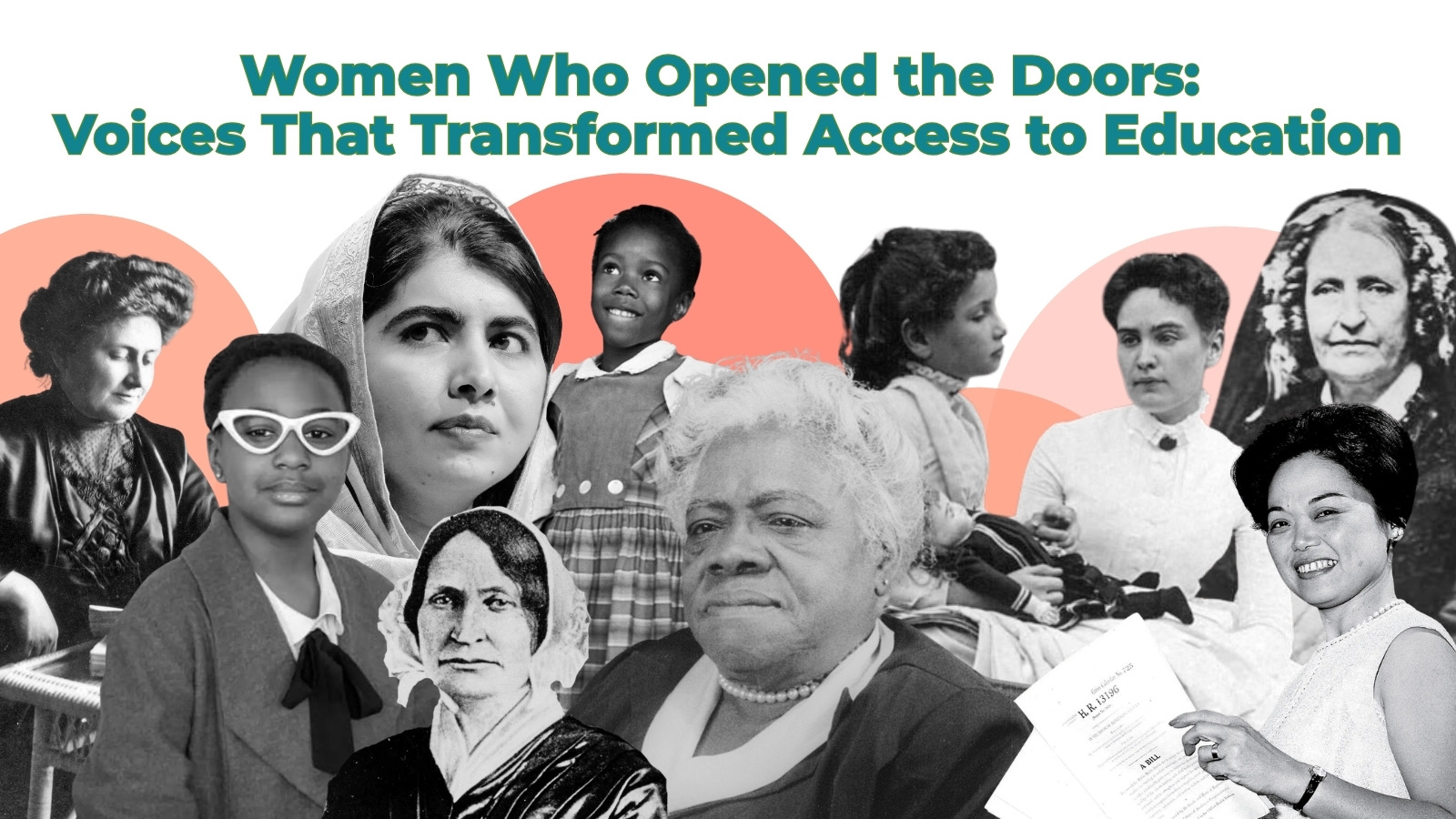
A Women’s History Month Reflection from the Freedom to Read Project
Every generation inherits the freedoms that previous generations fought to secure. When it comes to education, many of the rights we take for granted today—girls attending school, women enrolling in universities, students with disabilities receiving an education, and classrooms becoming more inclusive—exist because courageous women raised their voices and refused to accept the barriers placed before them.
How to Write a Press Release (and When to Use One)
A Practical Guide for Freedom to Read Advocates
When you’re fighting for the freedom to read, visibility matters.
Book challenges often start quietly… an email to a principal, a complaint filed with a district, a social media post tagging board members. But when those efforts escalate, or when a community organizes in response, it’s time to make sure the public record reflects what’s happening.
After the Records Arrive: Turning Public Information into Power

Public records requests are among the most powerful tools available to citizens. They replace rumor with documentation. They move conversations from speculation to evidence. They give communities the ability to see how decisions are actually made.
The Founders, Libraries, and the Danger of Calling Knowledge “Government Speech”
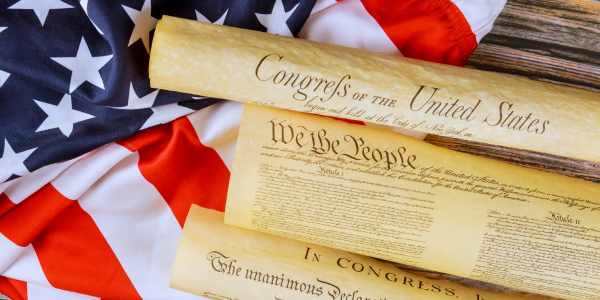
Across the country, a new legal argument is gaining traction in courtrooms and statehouses: the claim that public libraries (including school libraries) are simply a form of “government speech.” Under this theory, the government may curate library shelves however it chooses because the collection itself represents the government’s own message. More than twenty states have endorsed this position in a recent amicus brief, arguing that library decisions are no different from any other expression by the state.
Early Signs Censorship Is Taking Root in Your Community and What You Can Do About It

Book censorship rarely arrives with a marching band and a press release. It shows up the way power often does: quietly, locally, and wrapped in the language of “concern.” One parent who “just has questions.” One social media post that turns into a pile-on. One school board meeting where a handful of people dominate the microphone while everyone else stays home, assuming someone else will handle it.
Turn Passion Into Action: Advocacy Event Ideas to Protect the Freedom to Read

If you care about the freedom to read, you’re not alone.
Across the country, parents, educators, librarians, students, and neighbors are speaking up for books, not because it’s trendy or political, but because it’s personal. Because stories helped their child through grief. Because a novel made them feel seen for the first time. Because a library card once opened a door that nothing else could.