Keeping Up and Checking In
Read the latest news, tips, and get access to the information you need to advocate effectively for the freedom to read.
Incorporating the Freedom to Read into Your Holiday Gift-Giving Plan
The holidays are about connection, generosity, and stories, those we tell around tables, those we carry from childhood, and those we place into one another’s hands. This year, you can turn your gift list into a quiet, joyful act of resistance by ensuring more people (especially kids) have access to the full range of books that reflect and expand our world. Below is a practical guide to weaving the freedom to read into your seasonal giving without adding stress (or breaking the budget). Think of it as a menu: pick a few items that fit your time, interest, and resources, and you’ll end the season with gifts that last far beyond December.
How to Talk to Your Kids About Banned Books

It can feel overwhelming, even confusing, when the books we treasure (and the stories we believe every child should have the right to read) make headlines for being challenged or banned. Whether it's a picture book about inclusion, a middle grade novel tackling tough topics like grief or fitting in, or a young adult story centering voices historically pushed to the margins, book bans don’t just remove paper from shelves, they erase entire experiences and diminish our ability to learn from one another.
Florida’s New Social Studies Standards: A Deepening Crisis for Critical Thinking and Honest History
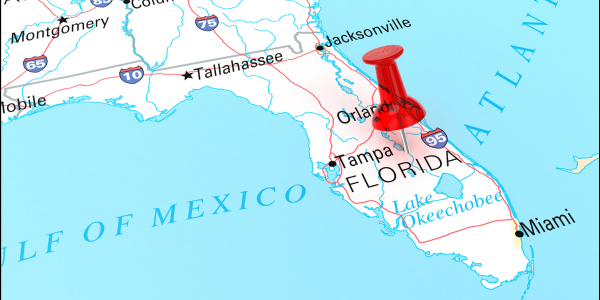
Florida’s newly proposed K–12 social studies standards are raising alarms among parents, educators, and First Amendment advocates who fear students will be taught a stripped-down and ideologically constrained version of American history. The new emphasis on anti-communism, paired with the decision to keep deeply problematic African American history standards unchanged, signals a classroom environment where questioning, debate, and critical thinking may no longer be welcome.
You Went to the “No Kings” Protest… Now What?
Attending a protest—such as the recent No Kings Protests—is an exciting and powerful first step. You showed up, you raised your voice, you stood for something. But the truth is: the fight for intellectual freedom and the right to read doesn’t end when the signs come down. In fact, for many of us it’s just the beginning.
How to Talk to Your Legislators About the Freedom to Read

Making the Most of Five Minutes That Could Change the Conversation
Our elected officials expect to receive pop-in visits from constituents whether in their offices at the capitol or back in their home districts. They also make time for quick virtual meetings to appear accessible and connected to the people they represent. These meetings might last only five or ten minutes, and you may not always meet directly with the legislator, but with someone on their staff. That’s okay. Staffers are the gatekeepers, the people who brief their bosses, recommend what deserves attention, and often draft the talking points and legislative memos that shape the law.
What’s Really at Stake: The And Tango Makes Three Ruling and the Slippery Reasoning That Fails Us
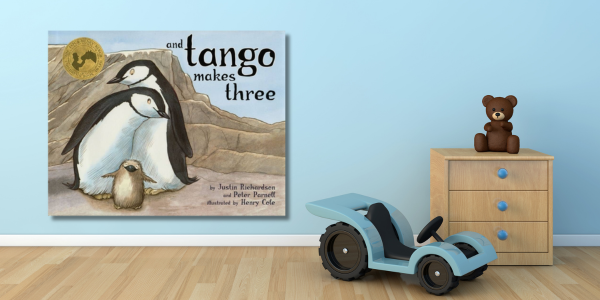
A recent ruling in Escambia County, Florida, struck down a First Amendment challenge to the school board’s removal of And Tango Makes Three, a children’s picture book about two male penguins raising a chick. The decision rested on a deeply concerning premise: that neither authors nor patrons (students) hold First Amendment rights with respect to a library collection. In other words, the court said: you have no constitutional right to expect certain perspectives and ideas to be made available.
Everyday Bans, Everyday Resistance: What PEN America’s Latest Report Reveals About Book Censorship

The 2024–2025 school year marked the fourth consecutive year of unprecedented book bans in the United States. According to PEN America’s Banned in the USA report, book censorship has become routine in public education, no longer an exception but an expectation. Between July 1, 2024, and June 30, 2025, the report documents 6,870 instances of book bans across 23 states and 87 school districts, affecting 3,752 unique titles and nearly 2,600 authors, illustrators, and translators.
Consumer Activism vs. Structural Policy: Why Boycotts Alone Won’t Save the Freedom to Read

In the United States, the First Amendment is supposed to limit the government’s power to censor protected speech. But a growing tactic among public officials involves sidestepping formal mechanisms and instead using informal threats, political pressure, or public browbeating to chill speech they find objectionable. It’s a playbook that allows powerful figures to signal consequences without triggering a formal First Amendment violation—unless the public calls it out for what it is. That’s exactly what happened when the FCC Chairman made veiled threats to Disney and broadcasters when referencing comedian Jimmy Kimmel’s monologue.
The Vital Role of Classroom Libraries and What Happens When Broad Laws Pack Them Up
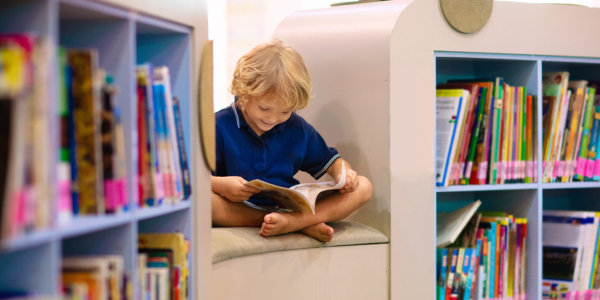
Imagine walking into a classroom where every student can browse shelves filled with stories that reflect them. Classics, contemporary works, nonfiction, poetry… they’re all there. That’s what a thriving classroom library offers: curiosity, identity, empathy, critical thinking. It’s an incubator for readers and thinkers and a tool teachers can use to regulate and manage a classroom. But when legislation is broad, vague, and punitive, these libraries, especially their diverse, student-facing collections, are among the first casualties.
Protecting Stories, Preserving Democracy: Inside Texas Freedom to Read Project
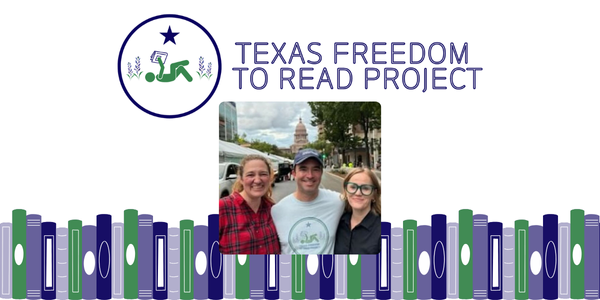
In 2021, Anne Russey was disturbed by the amount of book challenges she noticed in her Texas school district—they all seemed politically driven. Then came an almost-disaster with author Jerry Craft. A small group of people protested his upcoming school visit, claiming his graphic novels that depict aspects of his son’s true experience of being a Black student in a predominantly white school were promoting Critical Race Theory. Much to Anne’s dismay, the district pulled his books off the shelves and canceled the visit. “The claims were outrageous and demonstrably false. I was thinking about not just kids of color but ALL kids—my kids—missing out on being able to access these stories.” Ultimately, the district ended up reviewing the book in a committee, putting it back on the shelves, and rescheduling the author visit. But it left Anne wondering what other books were being taken off the shelves for political reasons.